01SENSE
Senses the physical world
A sensor detects an unusual equipment temperature.
CamerasIoT SensorsGPS / RTLSSatelliteMachine data
We connect cameras, sensors, and machine data to help your team detect defects, monitor equipment, and respond to problems across sites.

Physical intelligence connects information from equipment and sites with the systems people use to manage operations.
A sensor detects an unusual equipment temperature.
The system checks equipment history and operating limits to understand whether the reading needs attention.
The maintenance team receives an alert with the relevant context, then decides how to respond.
Deployed with teams across automotive, heavy equipment, smelting & metals, public safety, utilities, logistics, pharma, airports and infrastructure.
Explore six projects connecting equipment, cameras, and site information to the work of operational teams.
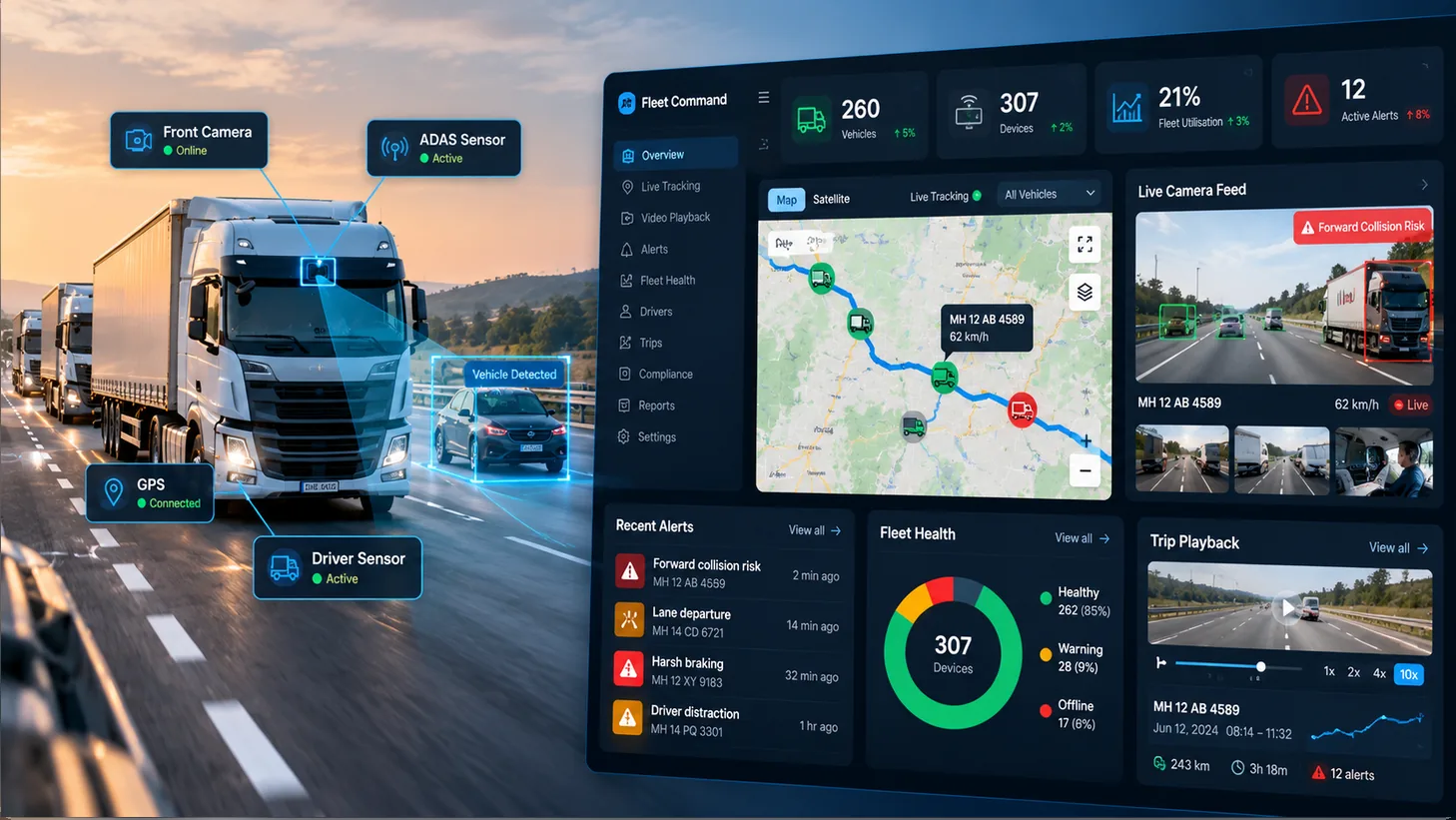
Bring vehicle data, trip records, and driver events together so teams can review incidents and coordinate action.
View case study ↗1 / 6 · Scroll
Bring vehicle data, trip records, and driver events together so teams can review incidents and coordinate action.
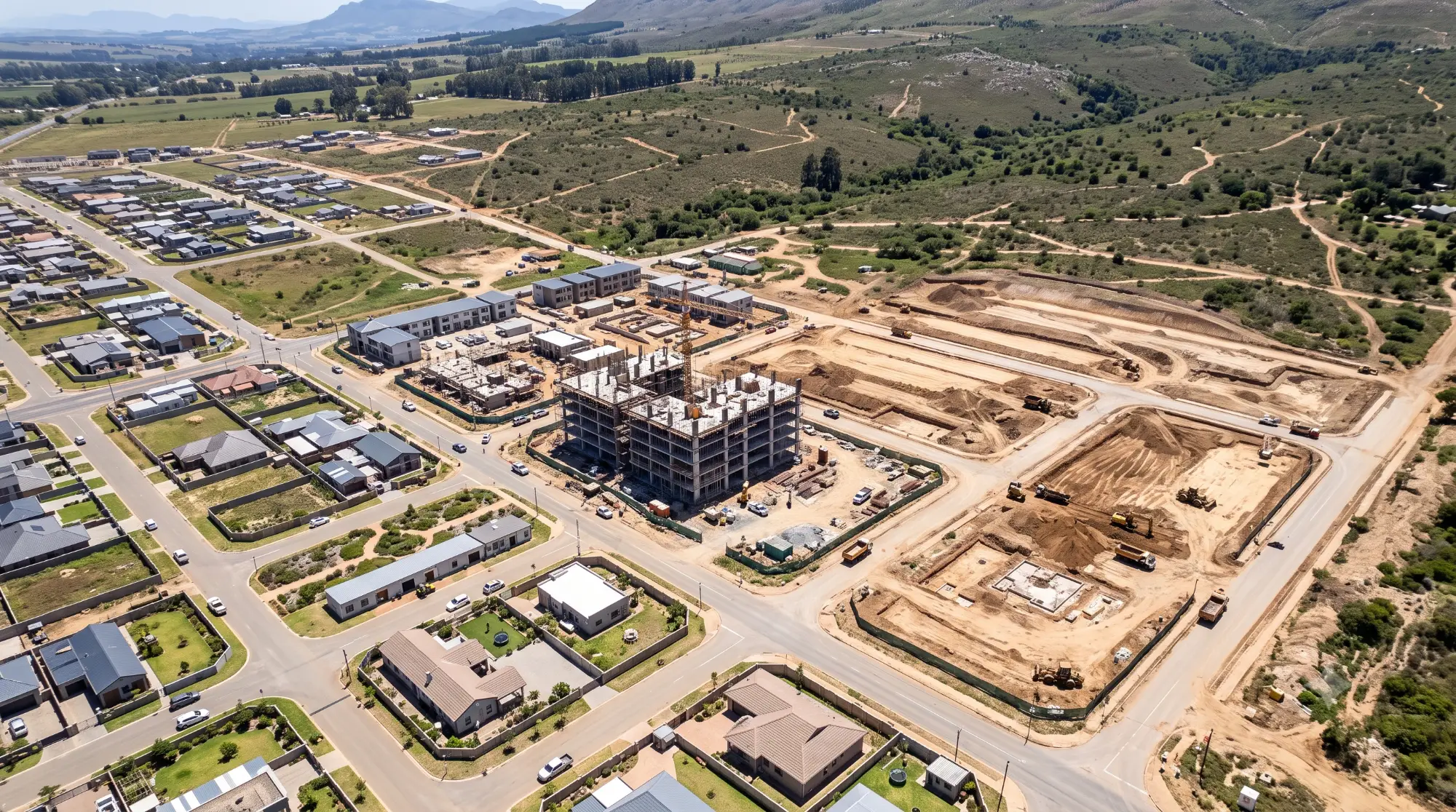
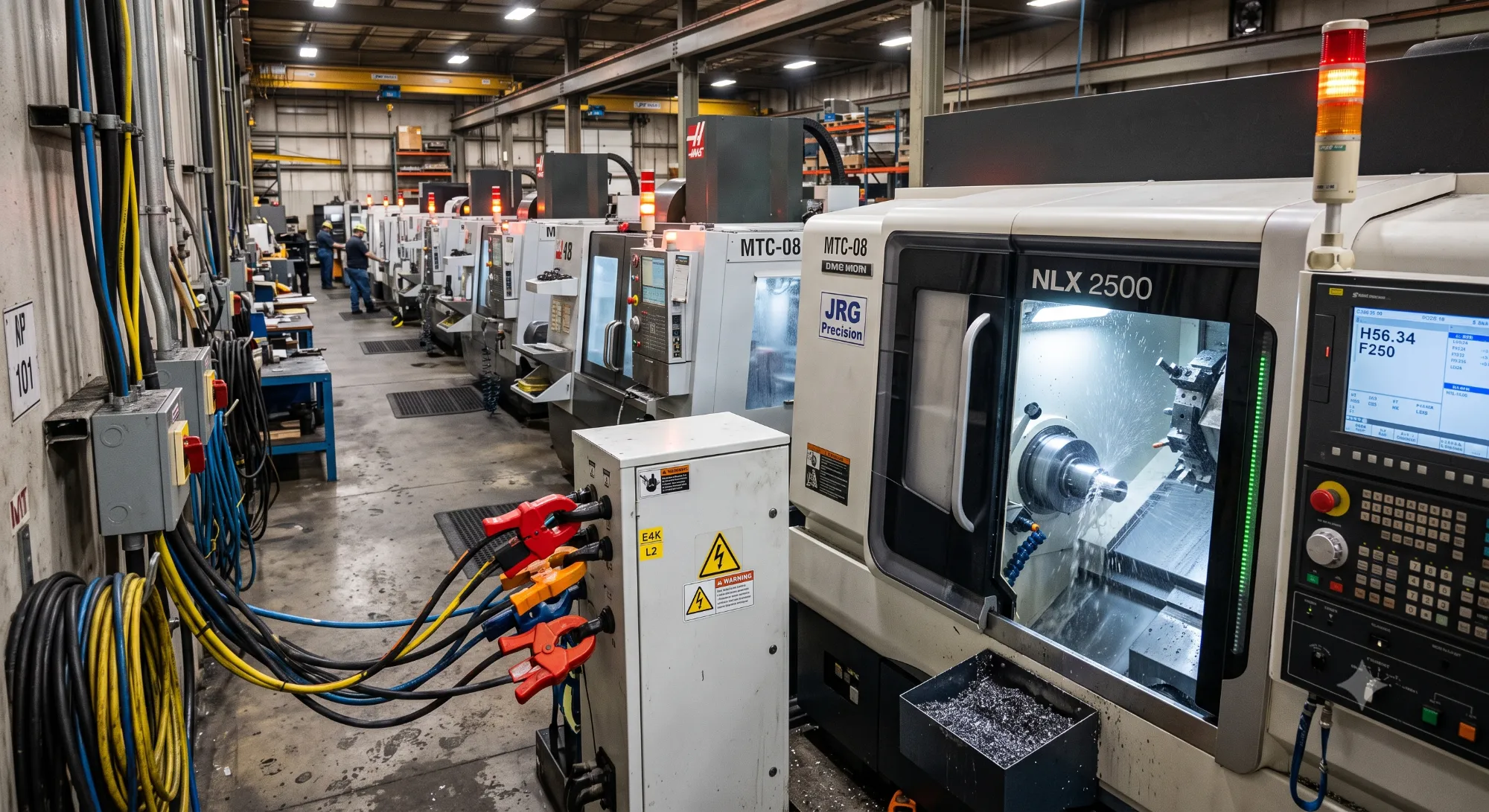

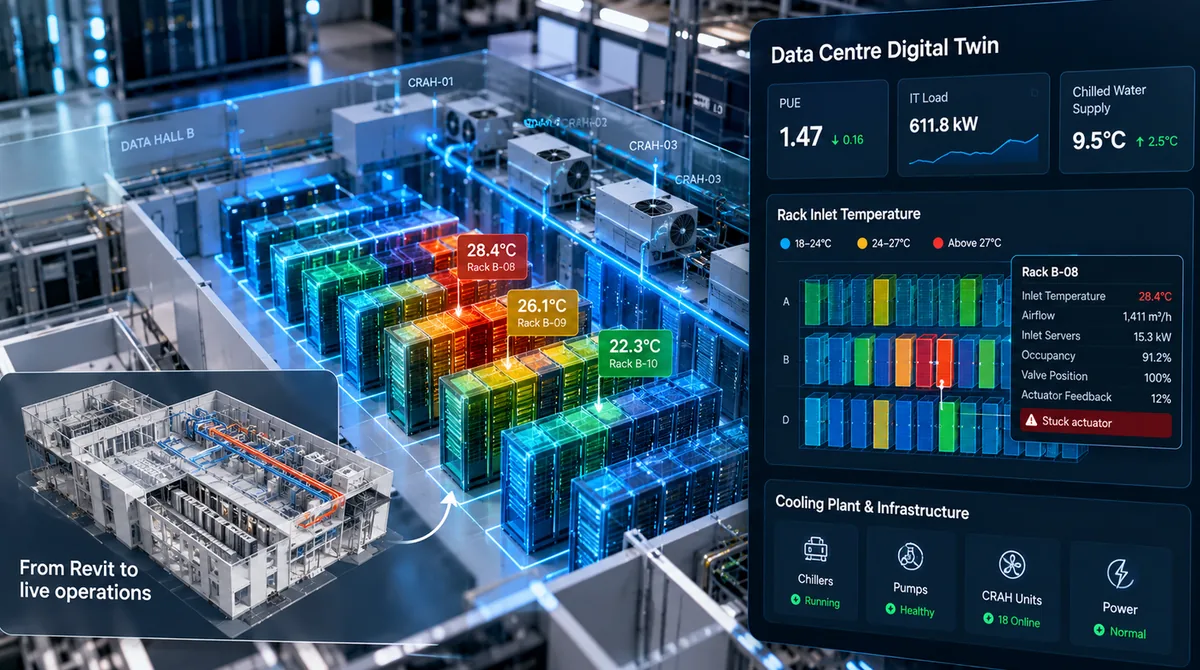
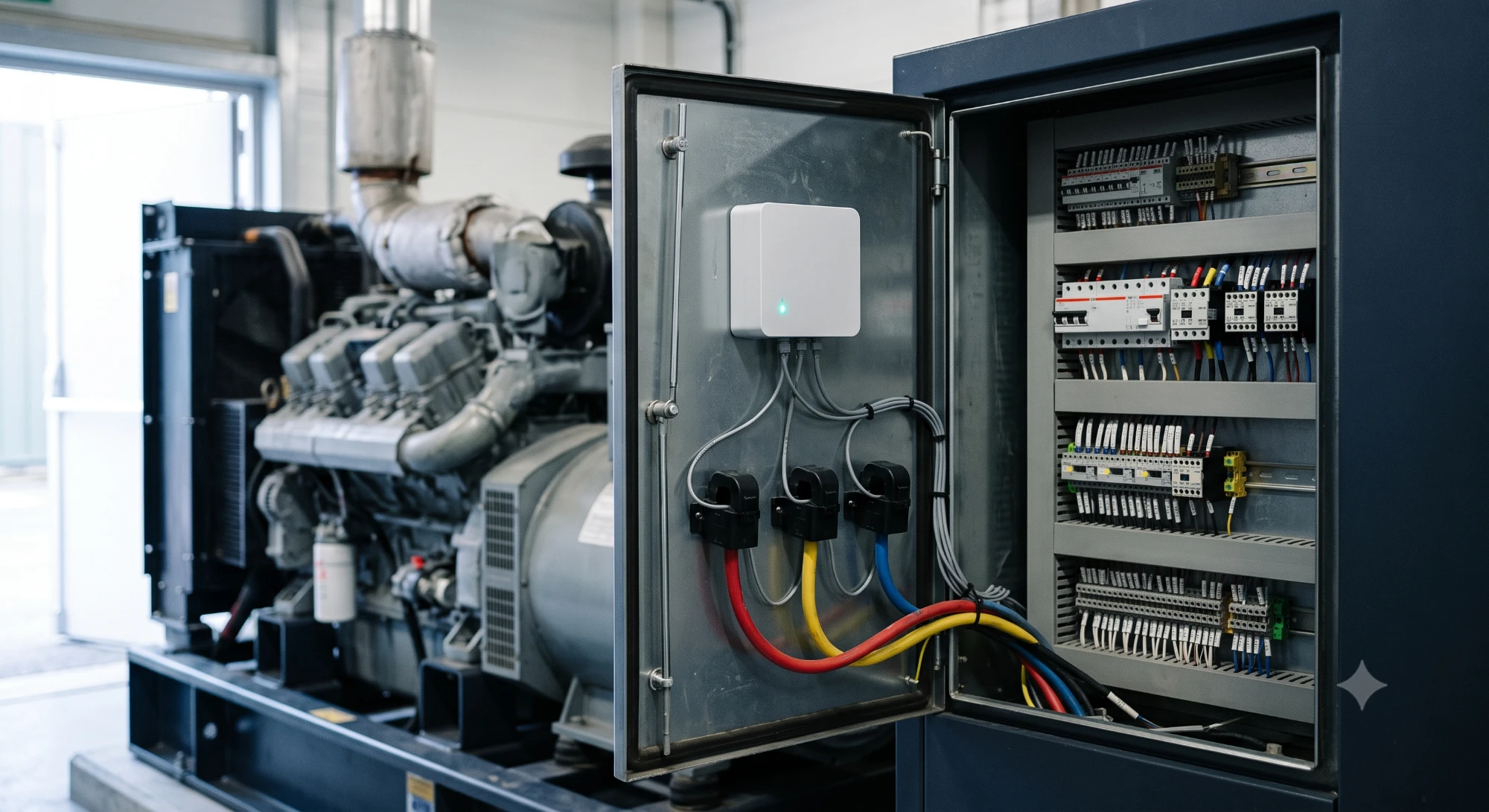
Give people a clearer view of equipment, sites, and emerging problems so they can act sooner.

Start with a recurring problem, identify the information your team needs, and measure whether the system helps them act sooner.
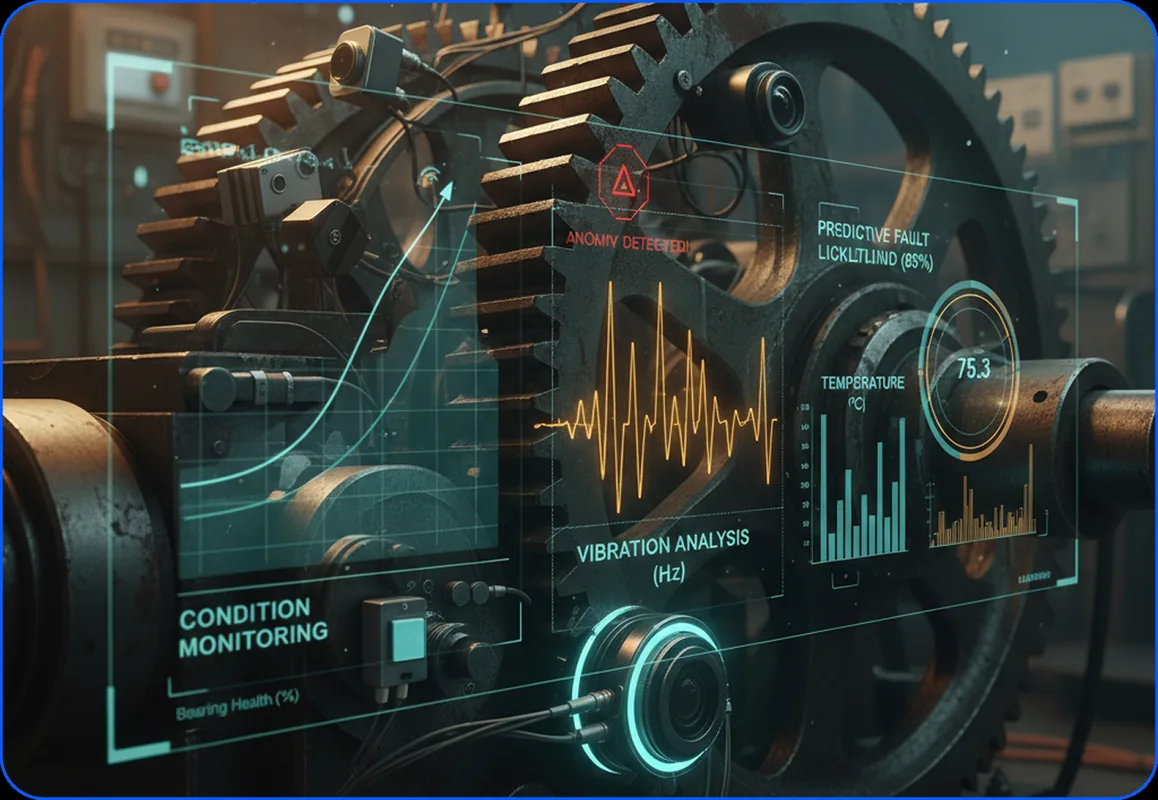
Use camera checks to flag possible defects for inspection before they move further through production.
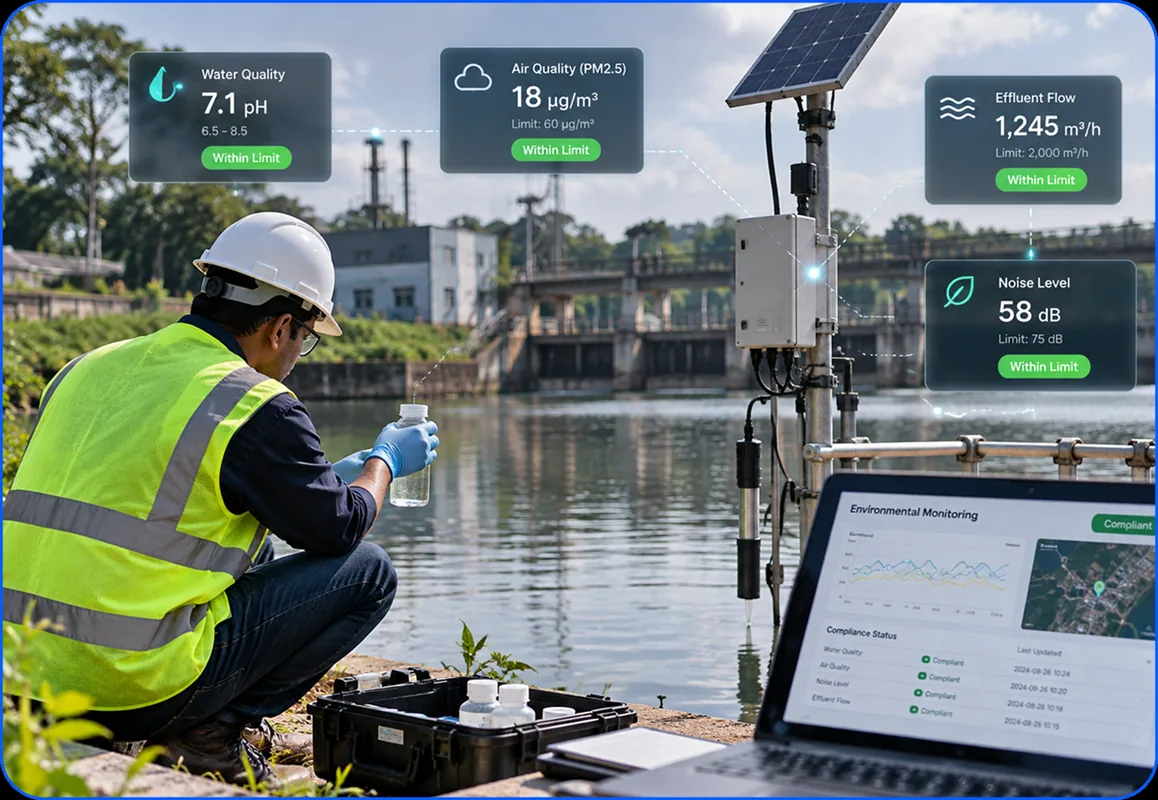
Track unusual readings so maintenance teams can investigate before a fault becomes a breakdown.
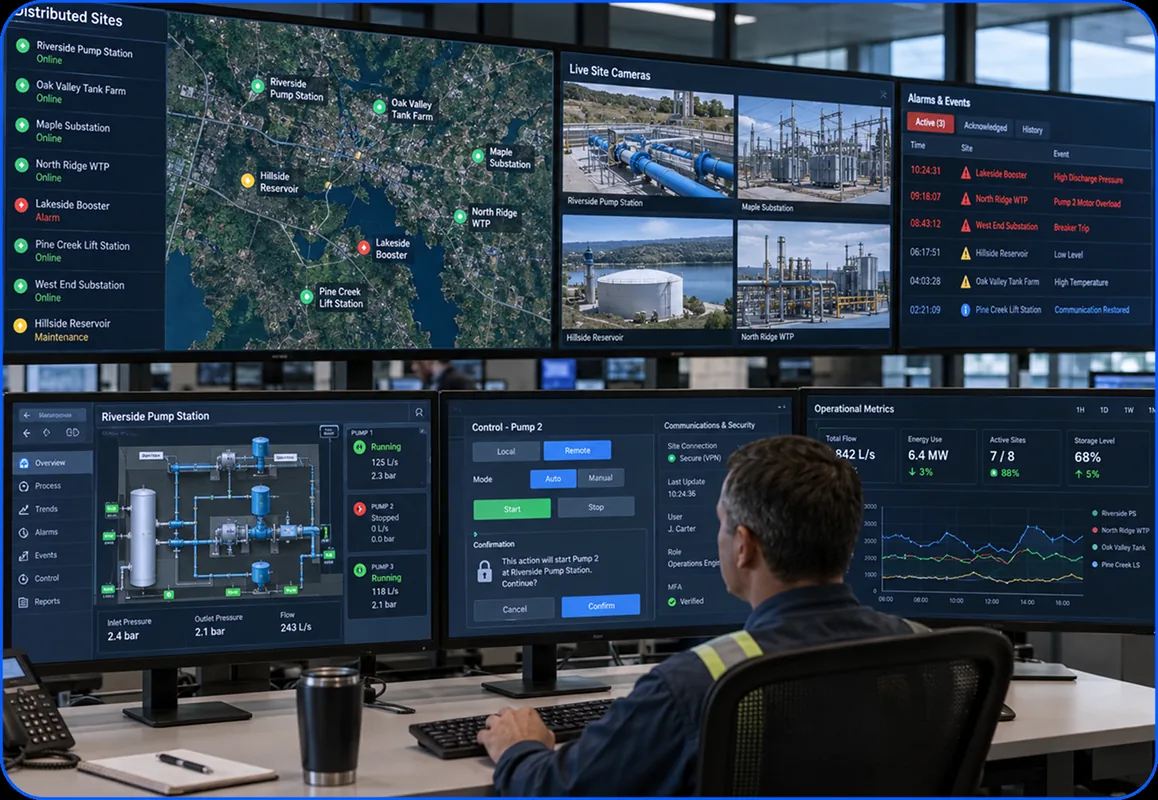
Bring site readings, camera feeds, and alerts into one place for teams working across locations.
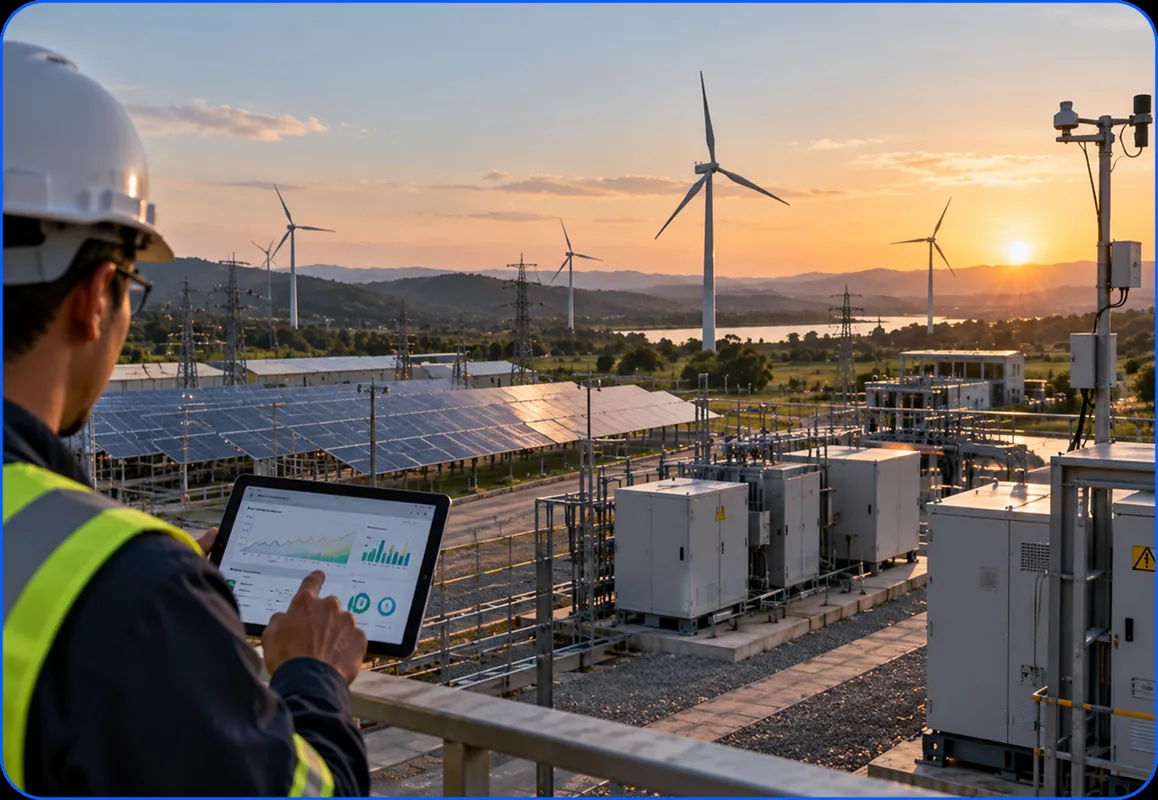
Compare consumption across equipment and sites to identify where energy use needs investigation.
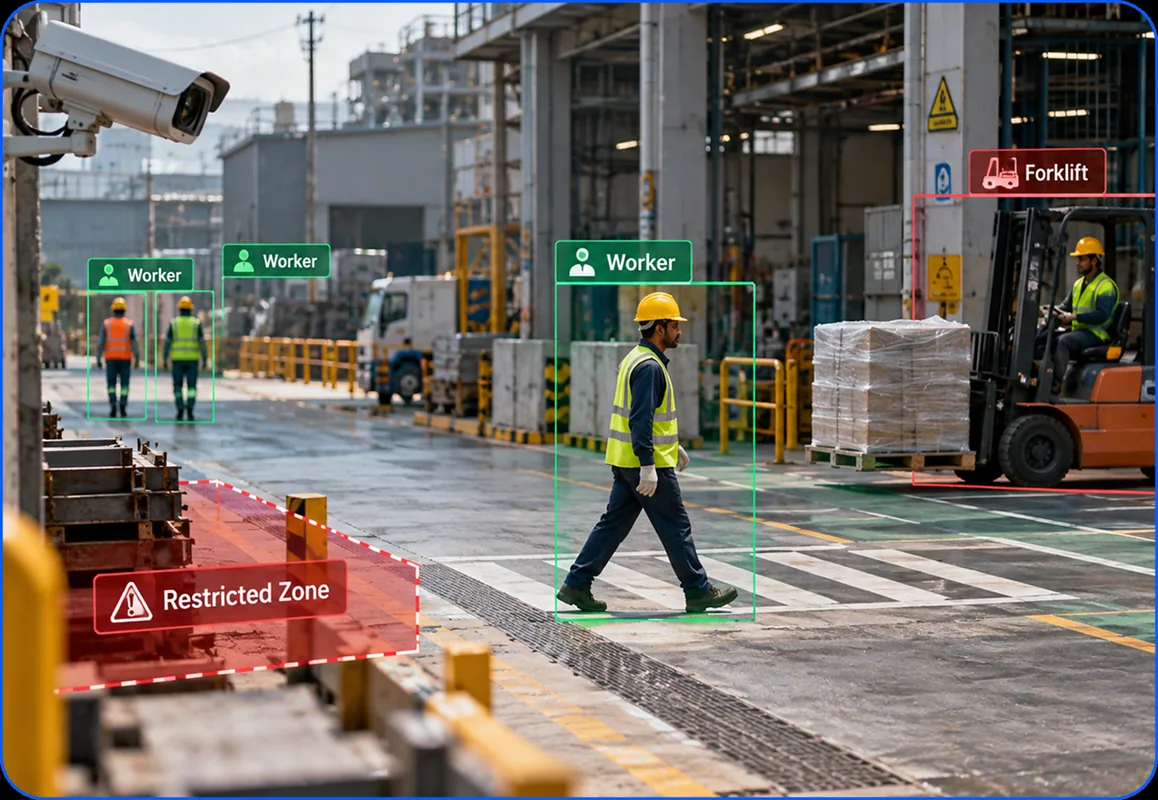
Flag visible hazards and unusual conditions to support review and response by your team.
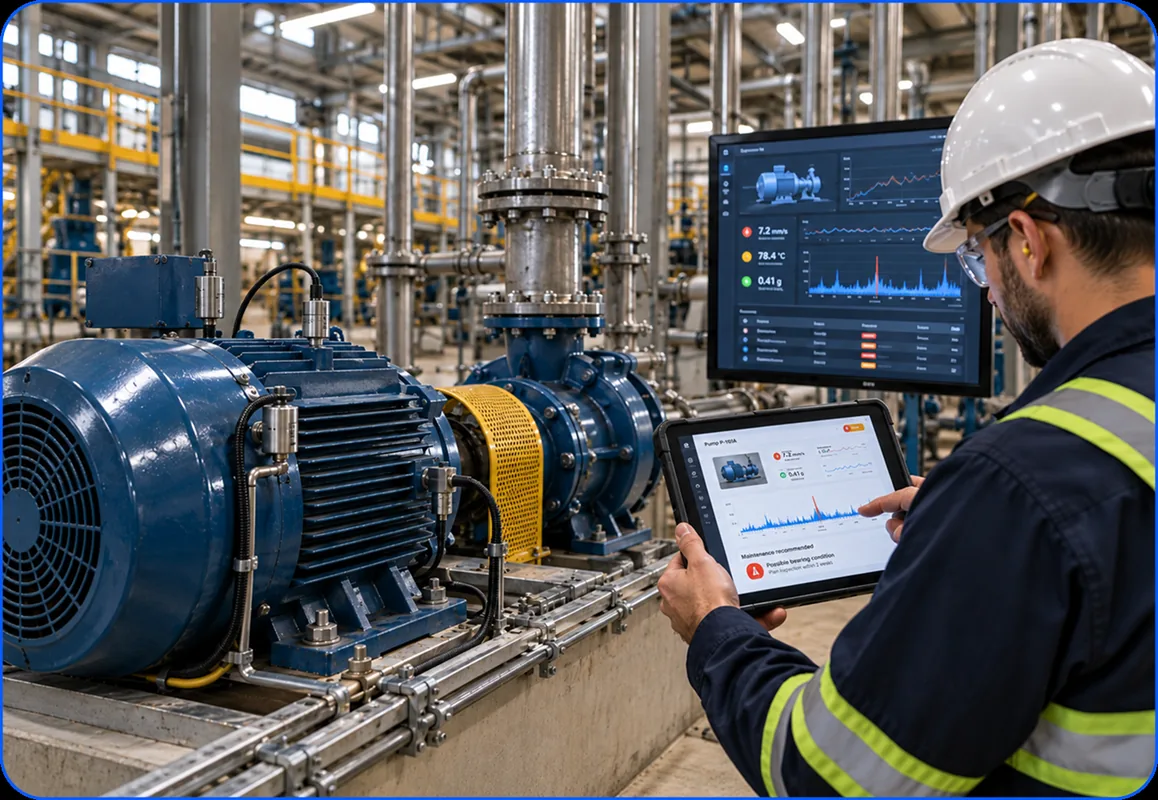
Collect readings and event records to support reporting, with people reviewing data quality and requirements.
See what is happening. Understand the problem. Help your team respond.
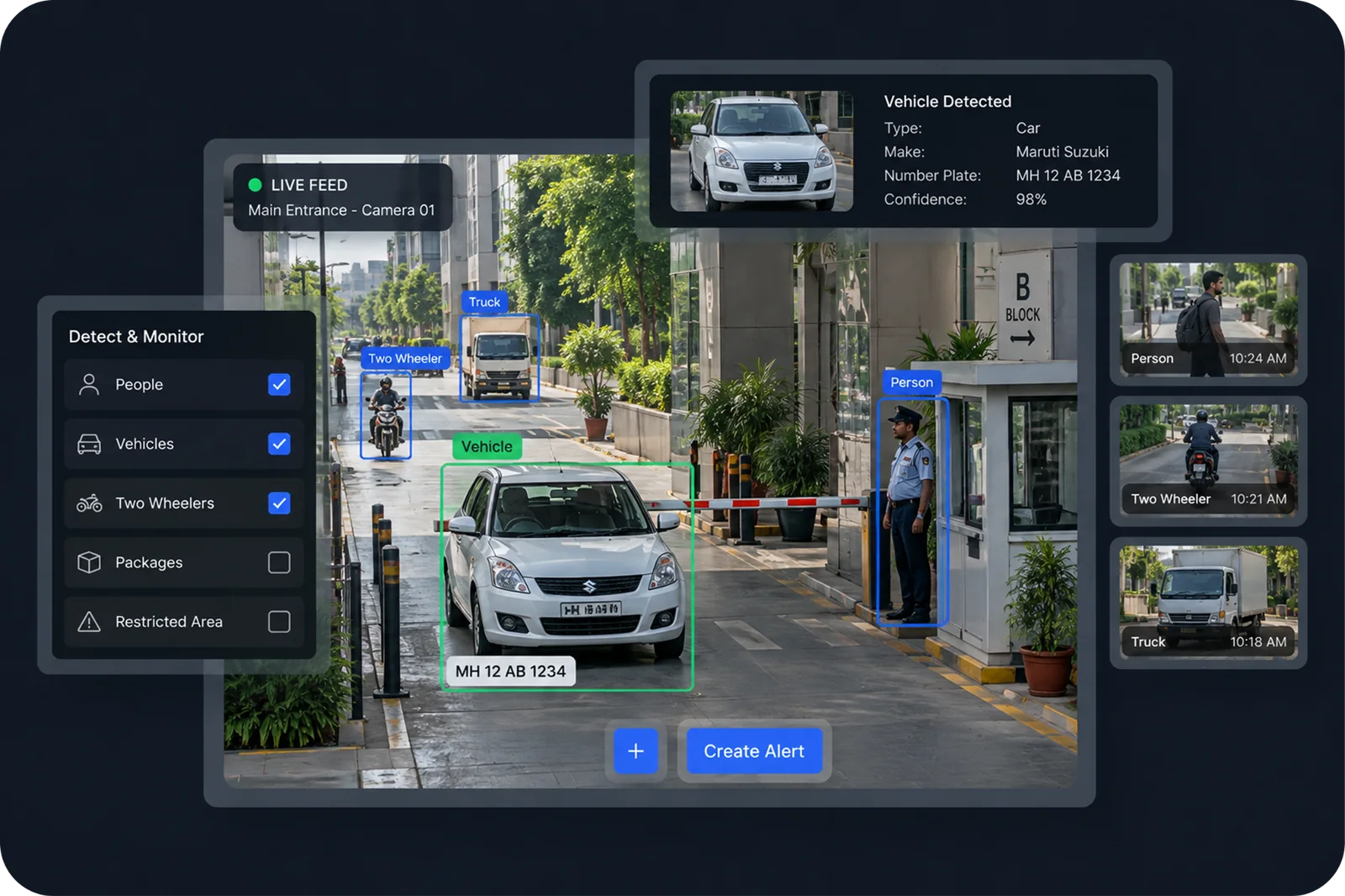
Remote monitoring & control
See equipment status, investigate alerts, and manage sites remotely with controlled access.
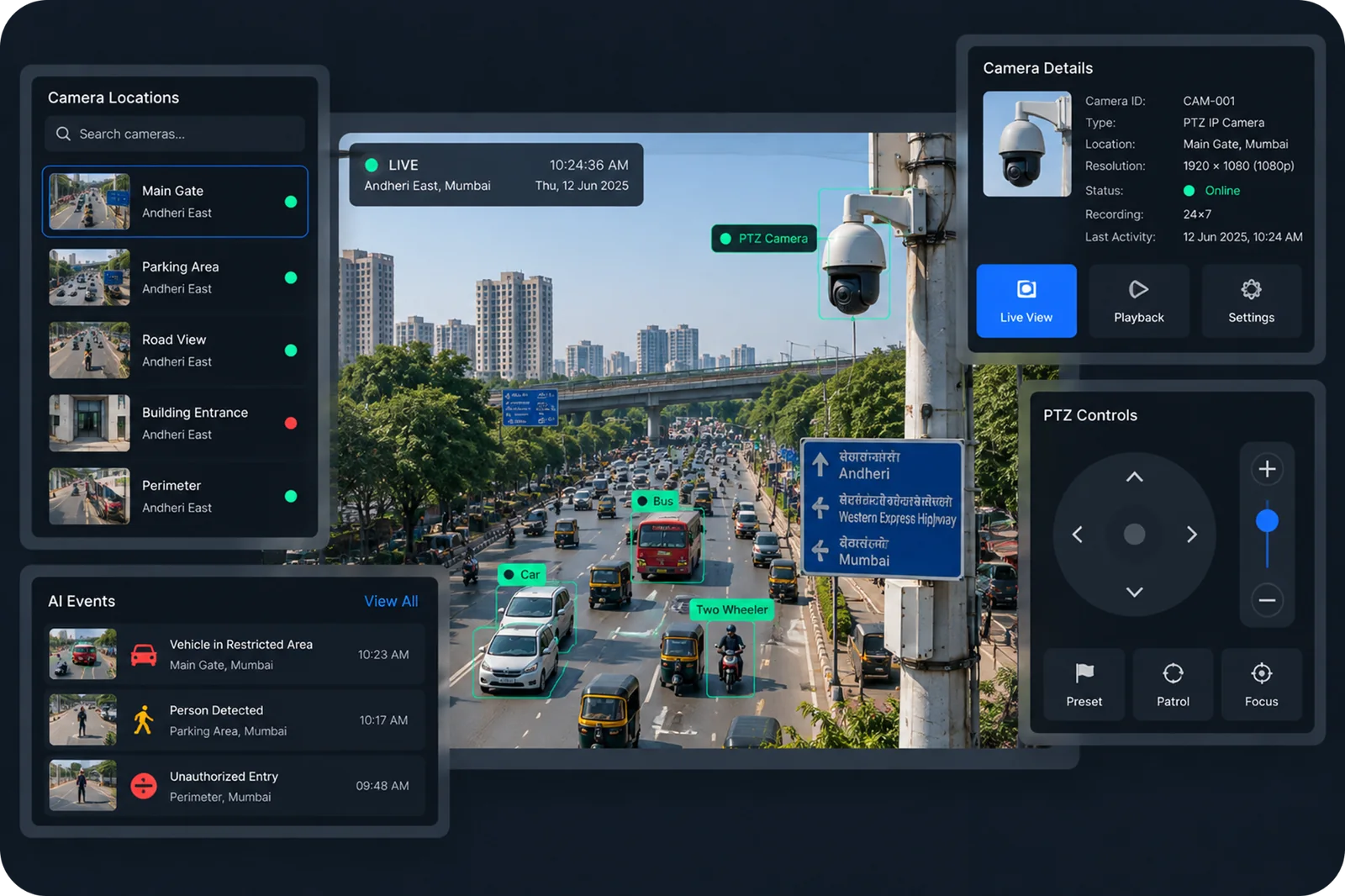
Video and Camera systems
Bring live video, recordings, and camera health into a system your team controls.
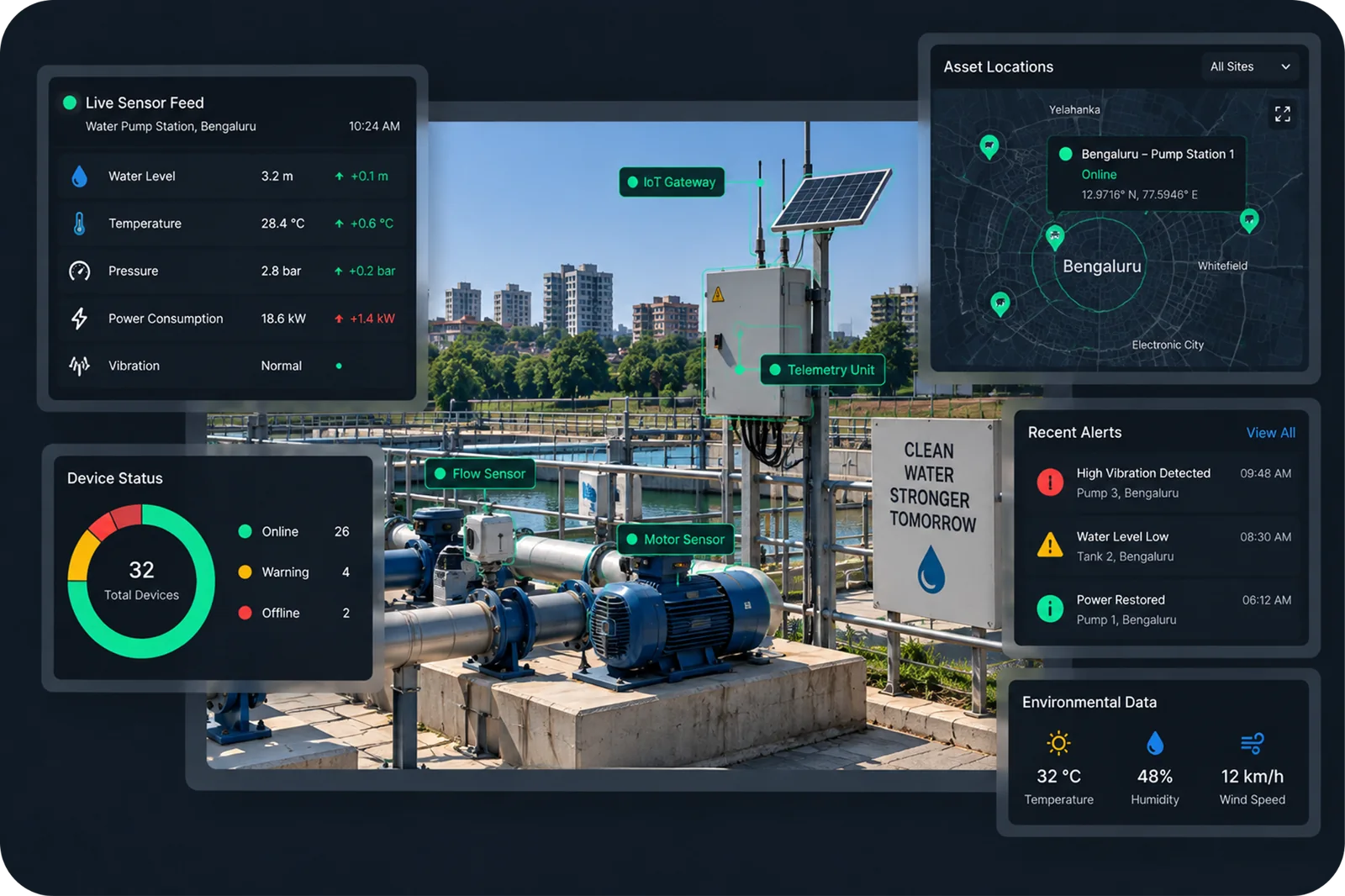
IoT & telemetry systems
Collect equipment readings, track changes, and alert teams when something needs attention.
Collect information → Connect it → Identify problems → Help teams respond → Improve over time
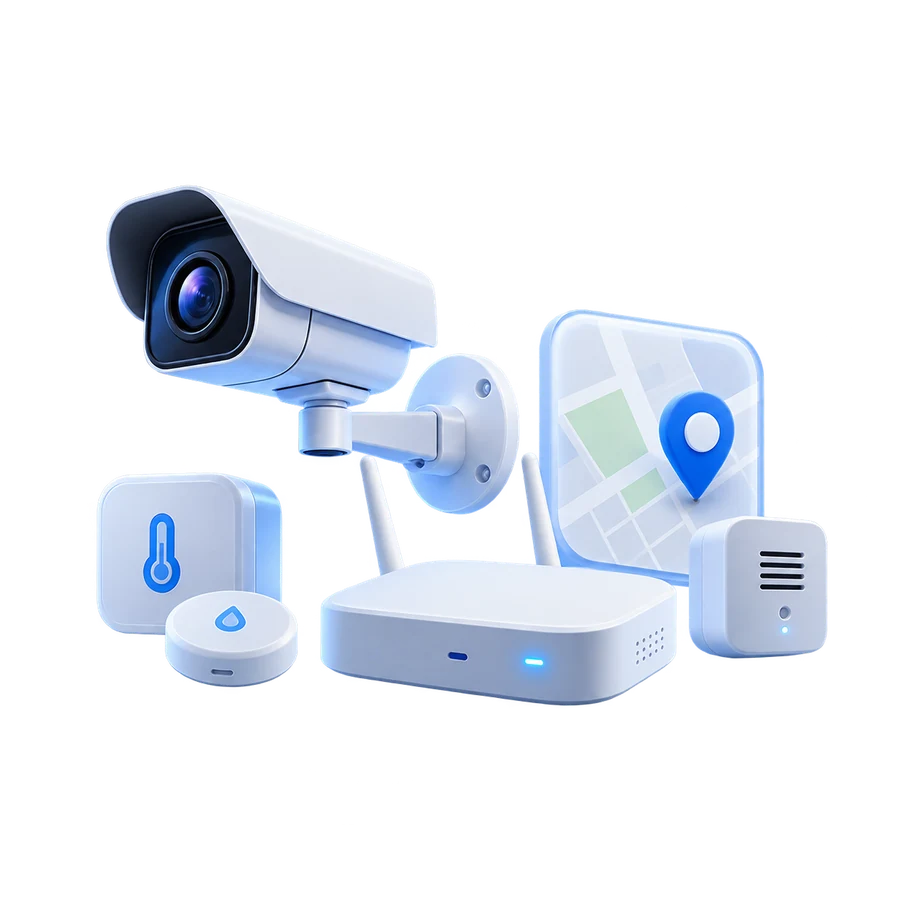
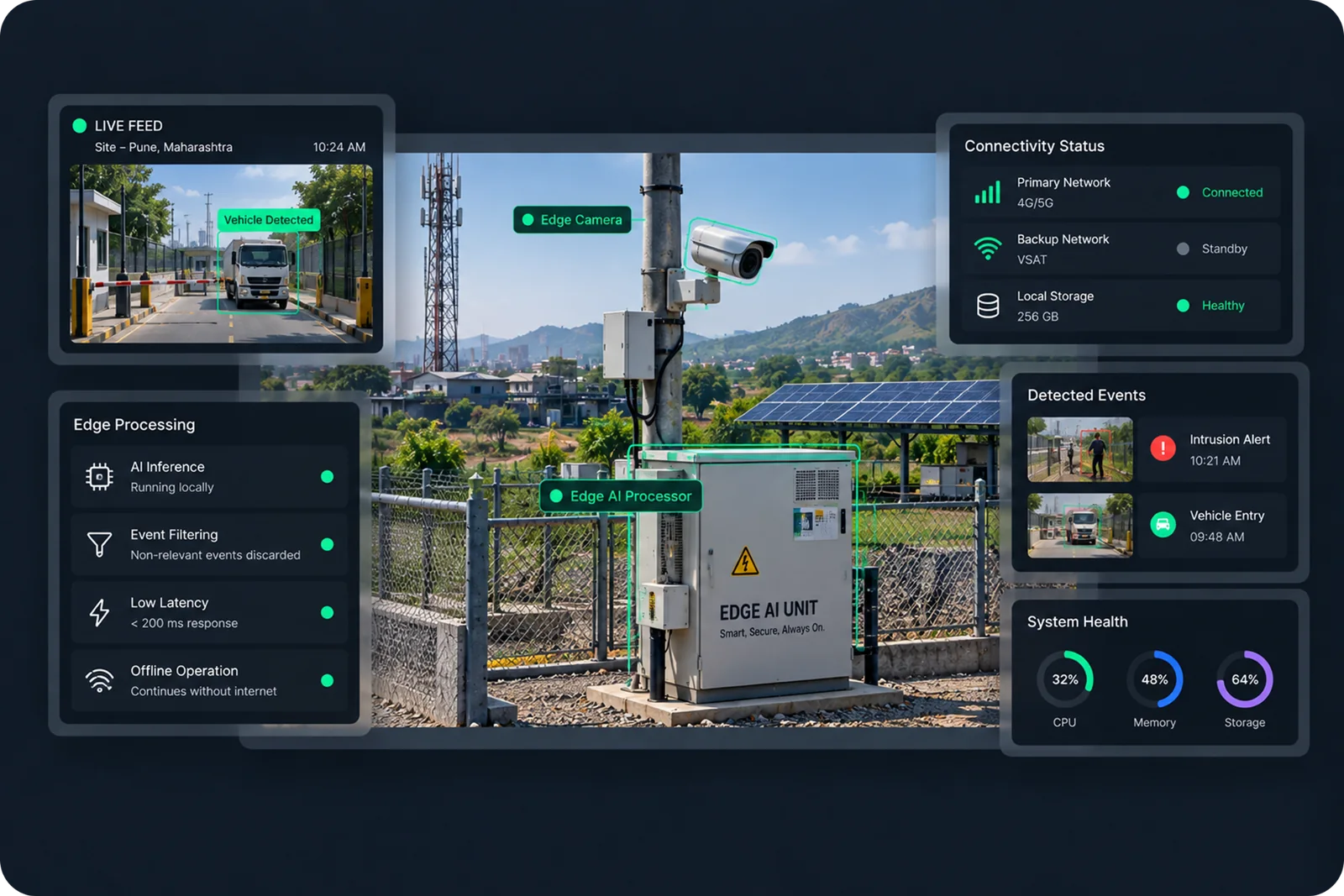
Read signals from cameras, sensors, and machines to understand conditions on site.
We combine our platforms with engineering and integration work to fit your equipment, sites, and workflows.
BY SCROBITSCONNECTED EQUIPMENT
Turn equipment readings into a connected service.
 BY SCROBITS
CAMERAS & COMPUTER VISION
Help teams spot defects and events that need attention.
BY SCROBITSSATELLITE & FIELD INTELLIGENCE
Find changes on the ground and prioritise inspections.
BY SCROBITSFLEET INTELLIGENCE
Bring vehicle activity and trip evidence into one view.
Start with a clear scope. Each stage gives your team concrete outputs and a basis for deciding what comes next.
Review your equipment and data, then define a practical pilot.
Test a working system on an agreed site or workflow.
Expand what works, prepare your team, and agree ongoing support.
Timelines are indicative and depend on site access, hardware availability, data quality, integrations, and security approvals. Assessment and pilot take around 6–10 weeks combined when run sequentially; we confirm the schedule after scoping. Rollout and support are agreed separately.
We review these six areas during assessment and agree the controls, responsibilities, and support needed for your deployment.
Enrolment, health, firmware and config across edge boxes, cameras and sensors, rolled out and rolled back safely.
Network segmentation, signed firmware, mTLS, secrets rotation, role-based access and audit trails.
Local buffering, store-and-forward and degraded-mode operation when connectivity drops.
Metrics, traces, model accuracy and per-site cost, not just "it works on the demo".
Golden sets, drift detection, false-positive budgets and human-in-the-loop review.
Release gates, incident runbooks, on-call and quarterly operations reviews.
We work with whatever your plants, vehicles and sites already speak, and plug into the enterprise systems your business already runs.
Choose a deployment approach with your IT and operations teams. We confirm hardware compatibility, data flows, security controls, and responsibilities before rollout.
Plan local processing and storage on your infrastructure, with network access and identity integration agreed with your IT team.
Process information at the edge and use cloud services where needed. Agree which data can leave the site and how it is protected.
Agree the hosting region, access controls, isolation, and key-management options for the selected platform and scope.
The ones we would want answered before signing an NDA, let alone a POC order.
Allow an indicative 2–3 weeks for site assessment and 4–7 weeks for a connected pilot: 6–10 weeks combined if run sequentially. Timing depends on site access, hardware availability, data quality, integrations, and security approvals. We confirm the schedule and success measures after scoping.
We agree ownership, access, and handover in the project scope. This covers your equipment and data, custom code, model artefacts, and operating documentation. Existing ScroBits platforms and third-party components remain subject to their licences; we make those dependencies explicit before work starts.
We assess on-premise and air-gapped requirements against the selected components and hardware. For isolated sites, we agree how updates, monitoring, licensing, and support will work without external connectivity.
We integrate at whichever layer is cleanest for your IT governance: OPC-UA / Modbus / MQTT at the OT side, REST / Kafka / message bus at the IT side, and standard connectors into SAP, Oracle, Dynamics, ServiceNow and Maximo.
All three. Platform licence (InfiIoT / InfiVision) for ongoing use, fixed-price projects for assessments and pilots, and T&M or embedded squads for scaled rollouts. We can structure outcome-linked components on specific KPIs.
Yes. We treat hardware as a given, not a lock-in. ONVIF/RTSP cameras, PLCs, meters and gateways you already own are supported. We only recommend new hardware when the existing stack genuinely cannot meet the KPI.
We agree evaluation data, acceptable false-positive rates, and the operator review process for the workflow. Monitoring and feedback arrangements are defined in the deployment scope so model changes can be evaluated before release.
A pod of 3–7: a solutions lead, an edge / vision engineer, a backend engineer, a frontend / dashboards engineer, an SRE and, for larger rollouts, a field deployment engineer who travels to site.
We own the whole chain from device enrolment to dashboards, so handoffs do not swallow your pilot. The same squad that writes the vision model also writes the operator UI it feeds.
Tell us about your equipment, cameras, or sites. We will come back with an honest view of what can be connected, monitored and improved, and whether a pilot is worth your money this quarter.